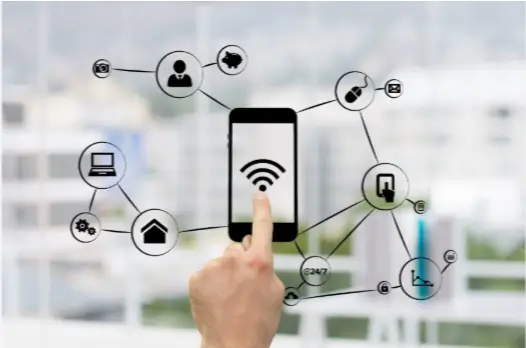

Smart technology coordinates devices to reduce manual input and scheduling conflicts in the home. Routines for wake times, appliance use, and lighting become predictable. Automation delivers energy-aware responses and modular control, with real-time data guiding prudent choices. Interoperability and modular ecosystems avoid vendor lock-in while enabling secure, future-proof integrations. Quick, small deployments prove value and create momentum for scalable improvements, inviting further exploration into how daily life can become more autonomous.
How Smart Tech Simplifies Daily Routines
Smart technology streamlines everyday tasks by coordinating devices and processes, reducing manual input and scheduling conflicts.
Detachment reveals how automation creates predictable patterns: Smart routines orchestrate wake times, appliance usage, and lighting, while ensuring energy-aware responses.
This approach supports autonomy through modular control, enabling rapid adaptability.
Connected energy insights expose consumption trends, guiding prudent choices and reinforcing a liberated, efficient daily rhythm.
Choosing Platforms That Play Well Together
Interoperability hinges on standard protocols, open APIs, and clear data schemas rather than brand loyalty. Choosing platforms that play well together emphasizes governance over hype, enabling smooth platform integration and robust device interoperability. Designers favor modular ecosystems, transparent update paths, and interoperable security. Consumers gain freedom to mix devices confidently, reducing vendor lock-in while preserving long‑term compatibility and value.
See also: shortcutmagazine
Save Time and Cut Waste With Automated Systems
Automation across household systems accelerates routine tasks, reducing manual input and human error while optimizing resource use. Automated processes enable proactive maintenance, inventory tracking, and energy management, aligning actions with real-time data. This approach promotes efficient automation and predictable performance, minimizing waste. With streamlined workflows, households realize cost savings while preserving autonomy, flexibility, and freedom to prioritize meaningful routines over repetitive chores.
How to Start Small: Quick Wins and Next Steps
Starting with small, tangible implementations enables households to validate benefits without disrupting existing routines. The approach favors micro mindful automation: targeted, low-complexity deployments that demonstrate value quickly.
Next steps involve documenting measurable gains, adjusting workflows, and scaling iteratively.
Emphasize budget friendly integration to minimize cost barriers, select interoperable devices, and establish a repeatable evaluation framework for ongoing optimization and freedom through controlled experimentation.
Frequently Asked Questions
How Secure Is My Smart Home Against Hacking?
Security risks exist, but robust defenses mitigate them; the question is how secure is my smart home against hacking. It hinges on user authentication strength, awareness of cloud dependencies, and timely firmware updates, plus ongoing risk monitoring.
Can I Use One App for All Devices?
A centralized app can manage multiple devices, though cross brand compatibility varies; users should verify supported ecosystems. In practice, a universal interface offers streamlined control, but limitations may require vendor-specific apps for optimal performance and enhanced security.
Do Smart Devices Require Ongoing Subscriptions?
60% of households rely on subscriptions for smart devices. Do smart devices require ongoing subscriptions? Often yes, via subscription models for features or cloud services, while data ownership remains a debated, essential consideration in privacy-centric utilization.
How Do I Protect My Privacy at Home?
Privacy risks can be mitigated by implementing data minimization, disabling unnecessary features, and reviewing device permissions; a cautious approach empowers users to maintain control over personal information while smart systems balance convenience with security.
What if I Move to a New Home With Smart Tech?
Moving to a new home with smart tech is manageable; planning matters. The account considers moving costs and installation timing, ensuring secure configurations and consistent interoperability, while preserving autonomy and efficiency within a flexible, privacy-conscious setup.
Conclusion
Smart technology reduces daily friction by orchestrating devices into predictable, energy-aware routines. Interoperable platforms unlock modular ecosystems, avoiding vendor lock-in while enabling secure upgrades and scalable deployment. Real-time data supports proactive maintenance and resource optimization, turning small wins into durable gains. One compelling stat: automated homes can cut energy use by up to 20–30% in typical households. With quick wins and thoughtful expansion, users gain time, cost savings, and a more resilient, future-ready living environment.