
Ethereum tokens differ from ETH and anchor diverse use cases via standards like ERC-20, ERC-721, and ERC-1155. Each standard encodes ownership, transfer, and semantics for fungible, non-fungible, or multi-token bundles. Choice affects gas, security, and interoperability, while lifecycle discipline and governance shape adoption. A robust security posture and authenticated interfaces are essential as systems scale. The implications for design, UX, and ecosystem trust prompt further scrutiny of issuance controls and integration patterns.
Ethereum Tokens vs ETH: A Quick Primer
Ethereum tokens and ETH represent distinct components of the Ethereum ecosystem: ETH is the native currency used to pay for gas and secure the network, while tokens are separate assets built on top of Ethereum’s blockchain via standards like ERC-20 and ERC-721.
The distinction underpins token naming conventions and operational gas fees, affecting design decisions, interoperability, and user experience in decentralized applications.
ERC-20, ERC-721, and ERC-1155: Which Standard Should You Use?
Choosing between ERC-20, ERC-721, and ERC-1155 hinges on asset semantics and interaction patterns; each standard encodes distinct invariants about fungibility, composability, and transfer mechanisms that directly influence contract design, user experience, and gas efficiency.
The discussion centers on token standards and deployment considerations, clarifying when one standard yields simpler auditing, lower costs, or broader interoperability without compromising security or extensibility.
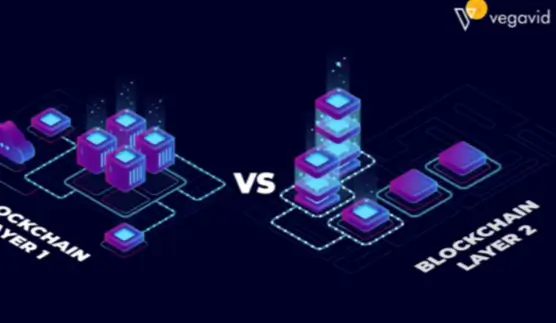
See also: Understanding Ethereum Layer 2 Technology
From Creation to Use: Token Lifecycle in Real Apps
From creation to deployment, the token lifecycle in real apps traces a disciplined sequence: issuance, distribution, state transitions, and eventual retirement.
An analytical view highlights governance design as shaping decision rights and upgrade paths, while tokenomics pitfalls emerge from misaligned incentives, liquidity mismatches, and inadequate telemetry.
Precise governance and disciplined issuance minimize drift, supporting predictable, scalable adoption beyond initial tokenomics assumptions.
Security First: Practical Best Practices for Token Interactions
Security is the guiding constraint for token interactions, emphasizing rigorous controls, verifiable provenance, and fail-safe mechanisms to prevent loss or misuse.
The analysis outlines concrete security considerations, including authenticated endpoints, nonce management, and permission granularity.
It advocates auditable workflows and deterministic error handling to enable safe interaction, reduce attack surfaces, and preserve user autonomy within a resilient, transparent framework.
Conclusion
In conclusion, Ethereum tokens span fungible, non-fungible, and multi-token paradigms, each aligning with distinct use cases and design trade-offs. The choice among ERC-20, ERC-721, and ERC-1155 shapes interoperability, gas efficiency, and security posture, while a disciplined lifecycle and governance model sustain long-term trust. Viewed through a systems lens, tokens are the gears of decentralized applications, turning precise interactions into scalable functionality—like clockwork, where every component must mesh to keep the ecosystem running smoothly.