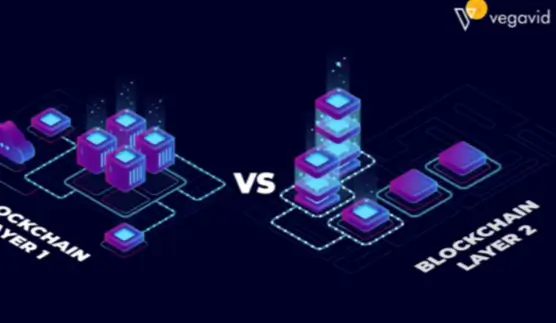

Layer 2 technology on Ethereum combines scalable constructs with the network’s security guarantees. Rollups, state channels, and sidechains each trade latency, cost, and data availability differently, yet rely on robust finality and dispute mechanisms. Developers assess tooling, deployment costs, and user experience under varied security models. Cross-chain bridges introduce additional risk and complexity. The evolving landscape, including interoperability and governance practices, informs a careful assessment of trade-offs before adopting a solution.
Choosing the Right Layer 2: Rollups, State Channels, or Sidechains
Choosing between Rollups, State Channels, and Sidechains depends on a balance of security, throughput, and finality guarantees. The analysis measures layer 2 security and how each approach impacts user experience, emphasizing data availability, dispute resolution, and latency. Rollups prioritize throughput with strong guarantees; state channels emphasize instant finality for frequent interactions; sidechains trade security for customization and throughput.
Layer 2 Basics: What Layer 2 Is and Why It Matters for Ethereum
Layer 2 refers to secondary networks or protocols built atop Ethereum to extend throughput, reduce cost, and improve user experience while leveraging the security of the base layer.
Layer 2 tradeoffs emerge between throughput, finality, and security assumptions, requiring empirical evaluation.
Cross chain bridges enable asset mobility, but introduce attack surfaces and complexity, affecting interoperability, risk, and governance considerations for ecosystem freedom.
See also: How Technology Influences Communication and Collaboration
L2 for Developers: Tools, Costs, and UX Considerations
The paragraph: A concise, technical overview of tooling, cost models, and user experience implications for building on Layer 2 networks, emphasizing how developer workflows, test environments, and deployment pipelines adapt to varying L2 architectures, fee schemas, and transaction finality guarantees.
This study outlines l2 tooling practices and cost considerations, comparing SDK maturity, testnet parity, and UX impacts on debugging, deployment speed, and profitability.
How to Pick an L2: Security, Trade-offs, and Real-World Trends
Security, trade-offs, and observable real-world patterns shape the decision matrix for selecting an L2 solution.
Evaluations hinge on security audits, formal verification status, and governance transparency, complemented by latency benchmarks and throughput consistency.
Trade-offs include finality speed, fraud-proof assumptions, and ecosystem liquidity.
Trends show growing interoperability, standardized security practices, and diversified market incentives guiding prudent, freedom-minded architects toward resilient layer-2 choices.
Conclusion
In a landscape where throughput meets trust, the selection of an L2 unfolds like a coincidental alignment of keys and clocks: rollups mirror data availability with verifiable proofs, sidechains echo independent liquidity, and state channels offer ephemeral, low-latency trades. The practical choice emerges from measured trade-offs—security guarantees, cost trajectories, and tooling maturity—often converging at interoperable standards and transparent governance. Coincidences in testnets, audits, and cross-chain momentum reveal the path to scalable, reliable Ethereum participation.